This list will be maintained and updated. If you know any resources you think should be added to the list email designbooks@makeitaweso.me.
Design Books
Change by Design, Revised and Updated: How Design Thinking Transforms Organizations and Inspires Innovation – Tim Brown
“Change by Design” demonstrates how design thinking—a human-centered, collaborative approach to problem-solving—can transform organizations and drive innovation by applying designers’ methods to tackle business challenges, foster creativity, and create meaningful solutions.
The Design of Everyday Things – Don Norman
A foundational text arguing that when people struggle with products, the fault lies in design, not users. Norman introduces core principles including affordances, signifiers, and the concepts of the Gulf of Execution and Gulf of Evaluation. The book teaches human-centered design principles showing that good design should be discoverable and understandable without requiring instruction manuals.
Emotional Design: Why We Love (or Hate) Everyday Things – Don Norman
“Emotional Design” explores how products trigger emotional responses through three levels of design—visceral, behavioral, and reflective—and argues that aesthetically pleasing, emotionally engaging design is just as important as usability in creating products people love.
Don’t Make Me Think – Steve Krug
A web usability classic emphasizing that good software and websites should let users accomplish tasks easily and directly. Krug explains that people “satisfice” (take the first available solution), so design should accommodate this behavior. Originally published in 2000, the book is intentionally brief to be read in a two-hour flight and has sold over 700,000 copies.
Rocket Surgery Made Easy – Steve Krug
A practical guide to do-it-yourself usability testing that democratizes the testing process, showing how anyone can conduct effective usability tests without expensive consultants. Krug advocates for streamlined testing requiring just “a morning a month” to catch problems while they’re still easy to fix.
About Face – Alan Cooper
A comprehensive guide to interaction design that introduced pioneering concepts including goal-directed design, personas, and designing for intermediate users. The book covers everything from conducting user research to defining products using personas and scenarios, and is considered one of the founding texts of modern interaction design.
The Inmates Are Running the Asylum – Alan Cooper
“The Inmates Are Running the Asylum” argues that software and technology products are often frustratingly difficult to use because engineers and programmers design them without understanding user needs, and advocates for interaction design and goal-directed design methods to create more humane, user-centered products.
The Design of Everyday Things: Revised and Expanded Edition – Don Norman
“The Design of Everyday Things” explores the principles of good design through analysis of common objects, demonstrating how thoughtful, user-centered design that considers human psychology and behavior can make products intuitive and functional, while poor design leads to confusion and errors.
The Elements of User Experience: User-Centered Design for the Web and Beyond – Jesse James Garrett
Breaks down user experience into five planes (strategy, scope, structure, skeleton, and surface) providing a framework for understanding web UX development from strategy to visual design. This updated edition expanded beyond desktop to include mobile devices and applications, addressing usability, brand identity, information architecture, and interaction design.
Sketching User Experiences: Getting the Design Right and the Right Design – Bill Buxton
A book exploring the role of sketching and ideation in the early stages of design, emphasizing rapid prototyping and getting the right design through exploratory processes before refining the design.
Design Thinking
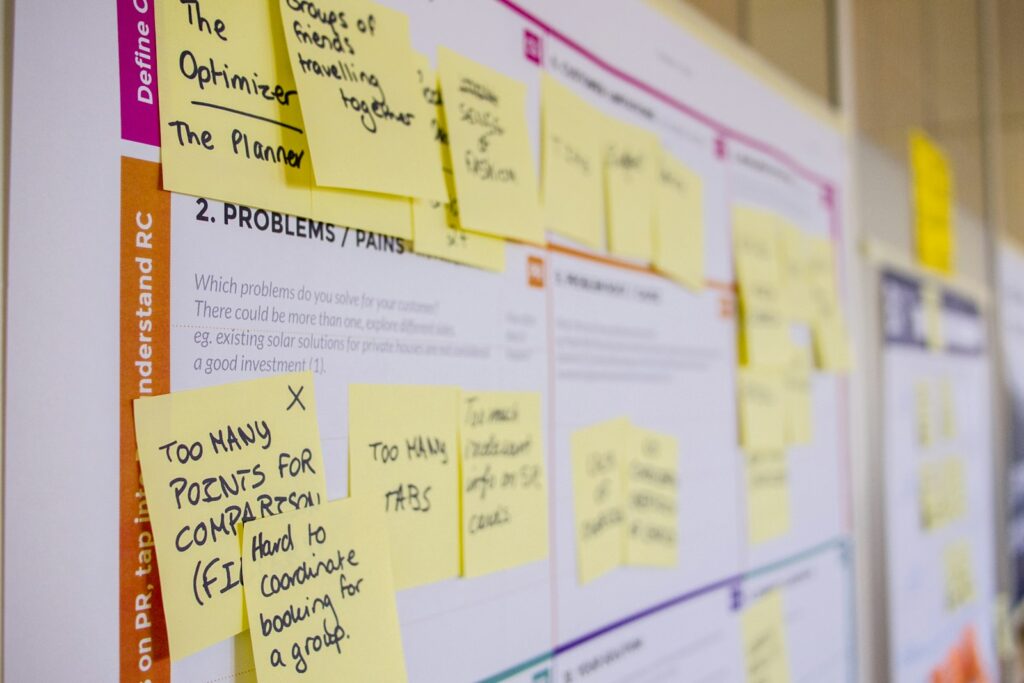
The Design Thinking Playbook: Mindful Digital Transformation of Teams, Products, Services, Businesses and Ecosystems (Design Thinking Series) – Michael Lewrick, Patrick Link, Larry Leifer
The Design Thinking Playbook is an actionable guide to the future of business. By stepping back and questioning the current mindset, the faults of the status quo stand out in stark relief―and this guide gives you the tools and frameworks you need to kick off a digital transformation. Design Thinking is about approaching things differently with a strong user orientation and fast iterations with multidisciplinary teams to solve wicked problems. It is equally applicable to (re-)design products, services, processes, business models, and ecosystems. It inspires radical innovation as a matter of course, and ignites capabilities beyond mere potential. Unmatched as a source of competitive advantage, Design Thinking is the driving force behind those who will lead industries through transformations and evolutions.
The Design Thinking Toolbox: A Guide to Mastering the Most Popular and Valuable Innovation Methods (Design Thinking Series) – Michael Lewrick, Patrick Link, Larry Leifer
The Design Thinking Toolbox explains the most important tools and methods to put Design Thinking into action. Based on the largest international survey on the use of design thinking, the most popular methods are described in four pages each by an expert from the global Design Thinking community. If you are involved in innovation, leadership, or design, these are tools you need. Simple instructions, expert tips, templates, and images help you implement each tool or method.
Design Thinking and Innovation Metrics: Powerful Tools to Manage Creativity, OKRs, Product, and Business Success Michael Lewrick
In Design Thinking and Innovation Metrics: Powerful Tools to Manage Creativity, OKRs, Product, and Business Success, bestselling author Michael Lewrick delivers a simple and straightforward playbook to manage and measure innovation. In the book, you’ll learn how to utilize the design thinking paradigm for innovation success and how successful leaders manage Explore and Exploit portfolios to create impact.
Systems Thinking

Thinking in Systems – Donella H. Meadows, Diana Wright
“Thinking in Systems” introduces systems thinking as a framework for understanding how complex systems—from ecosystems to organizations—work through interconnected elements, feedback loops, and delays, providing tools to identify leverage points for creating meaningful change in dynamic systems.
Communication

Simply Said – Jay Sullivan
A business communication guide focusing on clear, concise messaging and effective presentation skills for professional settings.
Articulating Design Decisions – Tom Greever
A practical guide teaching designers how to communicate and defend their design choices to stakeholders, maintain professional relationships, and deliver better user experiences through effective communication.
Difficult Conversations: How to Discuss What Matters Most – Douglas Stone, Bruce Patton & Sheila Heen
A conflict resolution book providing frameworks for navigating challenging discussions, understanding different perspectives, and achieving productive outcomes in personal and professional conversations.
HBR Guide to Office Politics – Karen Dillon
The HBR Guide to Office Politics reframes workplace politics as a necessary skill rather than something negative. Dillon provides practical strategies for reading organizational culture, building strategic relationships, and managing difficult colleagues while maintaining your integrity. The book emphasizes understanding power dynamics and communicating effectively across different personalities, helping you advance your career through authentic relationship-building rather than manipulation.
Decision Making

HBR Guide to Making Better Decisions – Harvard Business Review
The HBR Guide to Making Better Decisions offers research-backed frameworks for making sound choices under pressure. It addresses common pitfalls like cognitive biases and analysis paralysis while providing structured approaches to evaluate options objectively. The guide covers when to trust data versus intuition, how to involve the right stakeholders, and techniques for recovering from poor decisions, helping readers develop more disciplined and strategic judgment.
Design Research

Just Enough Research – Erica Hall
A concise guide showing how to conduct practical, actionable user research without getting overwhelmed, focusing on asking the right questions and gathering insights efficiently
Design Systems

Managing Chaos: Digital Governance by Design – Lisa Welchman
A book addressing organizational digital governance, helping companies create structure and processes for managing complex digital ecosystems and aligning teams.
Design Psychology

100 Things Every Designer Needs to Know About People – Susan Weinschenk
Applies psychological principles to design, covering how people perceive, think, focus, remember, and make decisions to create more effective user experiences.
100 More Things Every Designer Needs To Know About People – Susan Weinschenk
A sequel expanding on psychological insights for designers with additional research-based principles about human behavior and cognition.
Bottlenecks: Aligning UX Design with User Psychology – David C Evans
Examines cognitive bottlenecks that affect user experience and provides strategies for designing interfaces that align with how the brain actually processes information.
Hooked: How to Build Habit-Forming Products – Nir Eyal
Introduces the Hook Model (trigger, action, variable reward, investment) explaining how successful products create user habits and drive engagement through psychological principles.
Emotional Design: Why We Love (or Hate) Everyday Things – Don Norman
Explores the three levels of design (visceral, behavioral, and reflective) and how emotional responses to products influence user satisfaction, usability, and long-term attachment.
Design Leadership (or Leadership in General)

Making of a Manager – Julie Zhuo
Facebook VP’s guide to transitioning into management, covering building teams, running effective meetings, giving feedback, and developing leadership skills through practical advice.
The Leader Lab – Tania Luna & LeeAnn Reninger
A science-based guide to developing leadership skills through experimentation and practical exercises, helping managers build effective teams and improve workplace dynamics.
Radical Candor – Kim Scott
Introduces a framework for effective feedback combining caring personally with challenging directly, helping leaders build trust while driving performance through honest communication.
Radical Respect – Kim Scott
“Radical Respect” presents a practical framework for recognizing and eliminating workplace injustice—including bias, prejudice, and bullying—by showing how to create collaborative cultures that honor individuality, enabling everyone to do their best work while working together effectively.
Design Leadership: How Top Design Leaders Build and Grow Successful Organizations- Richard Banfield
Explores how top design leaders build and scale successful design organizations, covering team structure, design culture, and strategic leadership in product development.
Lean UX: Applying Lean Principles to Improve User Experience – Jeff Gothelf
Applies Lean and Agile principles to UX design, emphasizing rapid experimentation, collaborative design, and iterating based on real user feedback rather than extensive upfront planning.
User Experience Management: Essential Skills for Leading Effective UX Teams – Arnie Lund
“User Experience Management” provides practical guidance and essential skills for leading and managing UX teams effectively, covering topics like building team capabilities, establishing UX processes, stakeholder management, and creating organizational strategies that enable user-centered design to thrive.
Service Design

This Is Service Design Doing: Applying Service Design Thinking in the Real World – Marc Stickdorn, Markus Edgar Hormess, Adam Lawrence, Jakob Schneider
“This Is Service Design Doing” is a comprehensive, hands-on guide that provides practical methods, tools, and real-world case studies for applying service design principles to improve and innovate services across organizations.
This Is Service Design Methods: A Companion to This Is Service Design Doing – Marc Stickdorn, Markus Edgar Hormess, Adam Lawrence, Jakob Schneider
“This Is Service Design Methods” is a practical reference companion that offers a comprehensive collection of 54 detailed service design methods with step-by-step instructions, tips, and variations to support practitioners in executing service design projects.
This is Service Design Thinking: Basics, Tools, Cases – Marc Stickdorn, Jakob Schneider
“This is Service Design Thinking” is an introductory guide that establishes the foundational concepts, collaborative tools, and real-world case studies of service design as an interdisciplinary approach to creating better customer experiences and services.
Brand
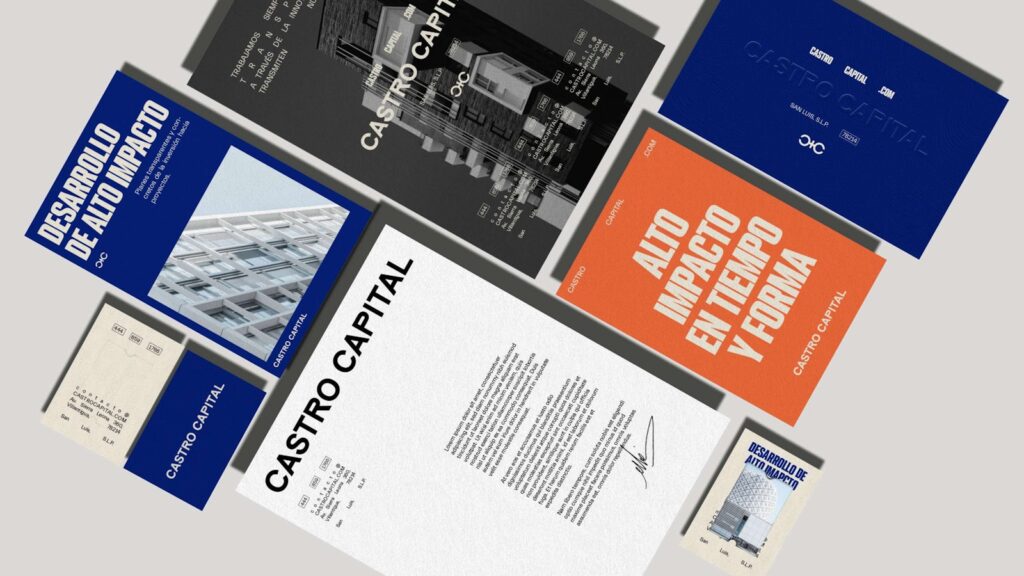
Branding: In Five and a Half Steps – Michael Johnson
“Branding: In Five and a Half Steps” is a comprehensive visual guide that walks readers through the complete brand development process—from initial research and strategic positioning to design, implementation, and reinvention—using over 1,000 illustrations and real-world case studies to demonstrate how successful brands are built.